The teacup dog phenomenon has swept across social media platforms, creating a disturbing trend in canine breeding practices. These tiny dogs, often small enough to fit in a purse or teacup, have become status symbols among celebrities and influencers. Behind their adorable appearances lies a dark reality of genetic manipulation, health complications, and unethical breeding that the pet industry doesn't want consumers to know about.
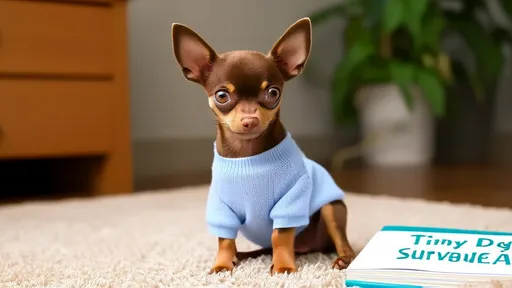
What exactly constitutes a teacup dog? Unlike recognized toy breeds that meet official breed standards, teacup dogs are typically undersized versions of already small breeds like Chihuahuas, Pomeranians, or Yorkshire Terriers. Breeders achieve this miniature size through selective breeding of runts or by intentionally stunting growth through malnutrition. Some unethical breeders even use inbreeding to produce these tiny dogs, dramatically increasing the risk of genetic disorders.
The health consequences for these dogs are severe and lifelong. Their organs often develop improperly for their compressed skeletal structures. Veterinary specialists report seeing teacup dogs with collapsing tracheas, liver shunts, hydrocephalus (water on the brain), and severe dental issues at alarmingly young ages. Their fragile bones break easily, and many suffer from hypoglycemia because their tiny bodies can't regulate blood sugar properly. The average lifespan of a teacup dog is significantly shorter than their standard-sized counterparts.
Social media has fueled demand for these unhealthy dogs by portraying them as fashionable accessories rather than living creatures. Instagram and TikTok accounts feature teacup puppies in designer outfits, carried in luxury handbags, or posing with expensive products. This curated content hides the suffering behind the scenes - the difficulty breeding these dogs results in high mortality rates for puppies, and mothers often die during birth because the puppies are too large relative to their shrunken reproductive systems.
The financial incentives drive breeders to cut dangerous corners. Authentic teacup dogs (not just small toy breeds) can sell for $3,000 to $10,000, creating motivation to produce as many as possible regardless of health consequences. Many breeders skip crucial health screenings and vaccinations to maximize profits. Puppy mills have jumped on the trend, mass-producing these genetically compromised animals in horrific conditions.
Veterinary associations worldwide have issued warnings about teacup breeding. The British Veterinary Association calls it "extremely irresponsible breeding that prioritizes aesthetics over welfare." American veterinarians report spending entire careers treating the same chronic conditions in teacup dogs that could have been avoided with responsible breeding practices. Some progressive regions have started banning the sale of dogs under a certain weight or size threshold.
Prospective dog owners often don't realize they're supporting this cruel industry. Many assume "teacup" simply describes a small, healthy dog rather than understanding it indicates intentional dwarfism. Ethical breeders of toy breeds emphasize that healthy dogs shouldn't weigh less than 4 pounds as adults. They encourage adopting from shelters or choosing responsibly bred small dogs that meet official breed standards without extreme size reduction.
The solution requires consumer education and stricter regulations. While some countries have laws against cruel breeding practices, the teacup trend exploits loopholes. Animal welfare organizations urge social media platforms to add disclaimers about teacup dog health risks when these hashtags are used. Ultimately, reducing demand for these suffering animals is the only way to stop the unethical breeding practices that create them.
Behind every viral teacup puppy video lies hidden suffering - from mothers bred until their bodies give out to puppies doomed to short, painful lives. As awareness grows about the health consequences and breeding cruelty, more people are rejecting the teacup trend in favor of healthy, ethically bred pets. The pet industry must prioritize animal welfare over profits and social media trends before more dogs pay the price with their health and lives.

By /Jun 12, 2025

By /Jun 12, 2025

By /Jun 12, 2025

By /Jun 12, 2025

By /Jun 12, 2025
By /Jun 12, 2025

By /Jun 12, 2025
By /Jun 12, 2025
By /Jun 12, 2025

By /Jun 12, 2025
By /Jun 12, 2025
By /Jun 12, 2025
By /Jun 12, 2025
By /Jun 12, 2025

By /Jun 12, 2025

By /Jun 12, 2025