In a world where companionship becomes increasingly precious with age, the search for the perfect canine partner takes on new dimensions. Senior citizens and those with limited mobility often find themselves drawn to dogs that offer emotional warmth without demanding excessive physical exertion. The ideal elderly companion dog blends a serene temperament with moderate exercise needs, creating a harmonious relationship that enriches both lives.
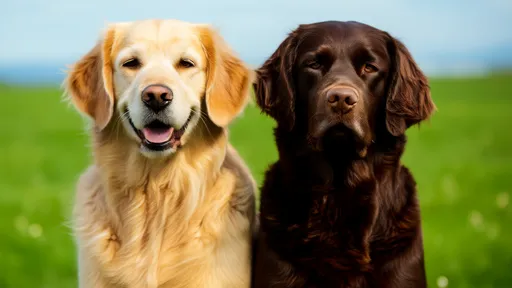
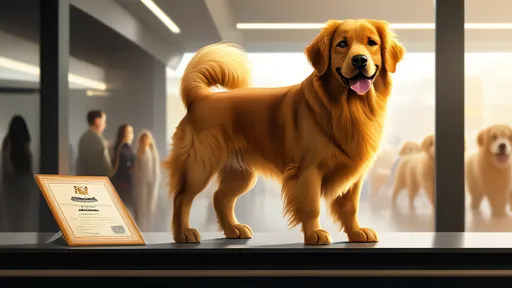
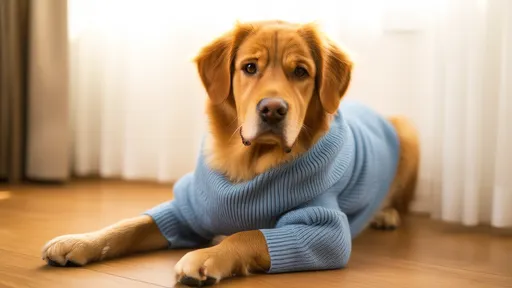
Golden Retrievers emerge as top contenders in this category, despite their medium-large size. Their reputation as gentle giants precedes them, with generations of selective breeding enhancing their natural affinity for human companionship. What makes them particularly suited for older adults isn't just their patience and emotional intelligence, but their remarkable adaptability to their owner's pace of life. While capable of energetic play, they're equally content with leisurely strolls and extended cuddle sessions. Their intuitive nature allows them to sense emotional needs, often positioning themselves as living, breathing comfort blankets during difficult moments.
The Cavalier King Charles Spaniel represents the epitome of lapdog perfection for seniors. Bred specifically for companionship since the Renaissance era, these compact canines carry aristocratic grace in their DNA. Their moderate energy levels translate to short daily walks supplemented by indoor play, making them ideal for apartment dwellers or those with limited outdoor access. What truly sets them apart is their almost human-like capacity for eye contact and physical affection, creating profound emotional connections that combat loneliness effectively.
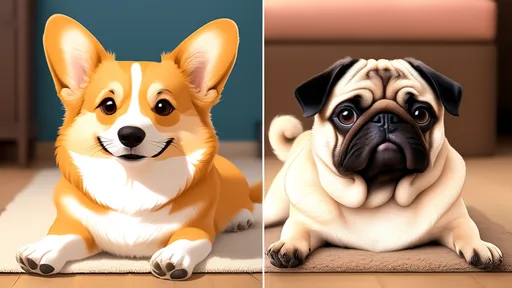
Among smaller breeds, the Pug has carved out a special niche as a senior's shadow. Their comical expressions mask a deeply serious commitment to their humans, following them from room to room with endearing determination. The pug's exercise requirements can be satisfied with brief outings and interactive toys, while their sturdy build makes them less fragile than other toy breeds. Their greatest asset lies in their social nature - equally happy to entertain visitors or quietly nap against their owner's side during television marathons.
For those preferring even more compact companions, Shih Tzus offer imperial charm in a portable package. Originally bred as palace pets in ancient China, these small dogs carry themselves with dignified grace while maintaining puppy-like affection well into their golden years. Their exercise needs are minimal - short walks and indoor play suffice - but their emotional generosity knows no bounds. The breed's long, flowing coat provides therapeutic benefits through grooming rituals, turning daily maintenance into meaningful bonding time.
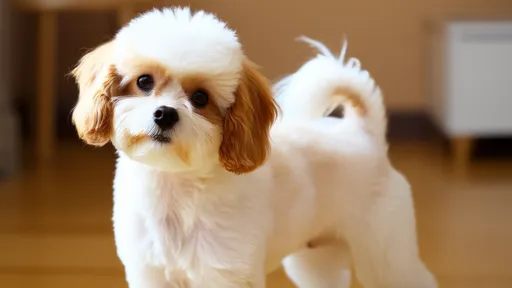
The Bichon Frise completes this quintet of ideal senior companions with its cloud-like appearance and sunny disposition. What makes them particularly suitable is their combination of low-shedding coats and cheerful personalities that resist lapsing into melancholy. Their small size belies a sturdy constitution, and their exercise requirements can be met through creative indoor activities when weather or mobility proves challenging. Perhaps their most valuable trait is their uncanny ability to mirror their owner's emotional state, providing quiet comfort during difficult days and playful engagement during brighter moments.
Selecting the perfect elderly companion dog involves more than checking off breed characteristics. Individual personality matching proves crucial, as even within these generally suitable breeds, variations occur. Many shelters now offer "senior for senior" programs that pair older dogs with older humans, creating mutually beneficial relationships where both parties understand the value of moving through life at a measured pace. These mature dogs often come with the added advantage of established temperaments and settled behaviors, eliminating the unpredictability of puppyhood.
The human-canine bond in later life takes on unique dimensions that differ from the relationships of younger years. Where once dogs might have served as jogging partners or playmates for children, they now fulfill the equally vital role of emotional anchors and daily purpose-givers. The rhythmic routine of feeding, grooming, and light exercise provides structure to days that might otherwise lack definition. For seniors living alone, the presence of a canine companion transforms empty rooms into shared living spaces filled with warmth and quiet conversation.
Practical considerations naturally accompany the decision to adopt a senior companion dog. Mobility aids should be evaluated - raised feeding stations prevent excessive bending, while non-slip flooring helps both human and canine navigate shared spaces safely. Veterinary professionals increasingly recognize the importance of coordinated care, where a dog's wellness schedule can align with their owner's medical appointments, creating efficient routines. The growing market for senior-friendly pet products, from easy-grip brushes to harnesses with support handles, reflects society's recognition of this special relationship's value.
Beyond measurable factors lies the intangible magic that occurs when the right dog finds the right human at the right life stage. There exists a particular beauty in watching an older person share their remaining years with a devoted canine companion. The silent understanding between them, the shared contentment in simple pleasures, and the mutual care that flows in both directions create a living portrait of what it means to age with dignity, purpose, and love. In these relationships, dogs don't just fill empty hours - they help write meaningful final chapters to human lives.
By /Jun 12, 2025
By /Jun 12, 2025
By /Jun 12, 2025
By /Jun 12, 2025

By /Jun 12, 2025
By /Jun 12, 2025
By /Jun 12, 2025
By /Jun 12, 2025

By /Jun 12, 2025
By /Jun 12, 2025
By /Jun 12, 2025
By /Jun 12, 2025
By /Jun 12, 2025
By /Jun 12, 2025
By /Jun 12, 2025
By /Jun 12, 2025