The rich tapestry of China's indigenous dog breeds is a testament to the country's deep cultural and historical roots. Among these breeds, the Xiasi Quan, Xi Quan, and Chow Chow stand out not only for their unique characteristics but also for their fascinating histories and current conservation challenges. These dogs are more than just companions; they are living relics of China's past, each with a story that intertwines with the nation's heritage.
The Xiasi Quan, hailing from the Guizhou Province, is a breed that has long been revered for its hunting prowess. Known for its striking white coat and keen sense of smell, the Xiasi Quan was traditionally used by the Miao ethnic group to track and hunt small game. Despite its historical significance, the breed has faced a sharp decline in numbers due to urbanization and the dwindling need for hunting dogs. Efforts to preserve the Xiasi Quan have been sporadic, with local enthusiasts and a handful of breeders working to maintain its lineage. However, without broader national recognition and support, the future of this agile and loyal breed remains uncertain.
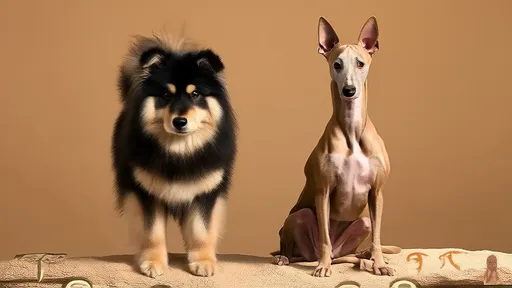
Equally captivating is the Xi Quan, a sleek and slender sighthound that has been a part of Chinese culture for centuries. Often depicted in ancient art and literature, the Xi Quan was a favorite among nobility and was prized for its speed and elegance. There are two main varieties: the Shaanxi Xi Quan and the Shandong Xi Quan, each adapted to the terrains of their respective regions. The breed's decline began with the fall of imperial China, and today, it is a rare sight. Conservation efforts are hampered by a lack of documented pedigrees and the breed's low profile outside of rural communities. Yet, for those who have encountered the Xi Quan, its grace and quiet dignity leave a lasting impression.
Perhaps the most internationally recognized of the three, the Chow Chow, with its distinctive lion-like mane and blue-black tongue, has a history that dates back over 2,000 years. Originally bred for hunting, herding, and guarding, the Chow Chow's versatility made it a valuable asset in ancient China. Unlike the Xiasi Quan and Xi Quan, the Chow Chow has enjoyed relative success in terms of preservation, thanks in part to its popularity in the West. However, this popularity has also led to overbreeding and a dilution of the breed's original traits. In China, the Chow Chow is often seen as a symbol of prosperity, but its role as a working dog has largely faded, leaving its future as a purely cultural icon.
The conservation of these breeds is not just about preserving genetic diversity; it is about safeguarding a piece of China's cultural identity. The challenges are manifold—urbanization, changing lifestyles, and a lack of awareness all contribute to the precarious status of these dogs. While there are grassroots efforts to document and promote these breeds, a more coordinated approach involving government support, public education, and international collaboration is needed. The story of the Xiasi Quan, Xi Quan, and Chow Chow is a reminder that these animals are not merely pets but living threads in the fabric of China's history. Their survival depends on recognizing their value beyond nostalgia and ensuring they have a place in the modern world.

By /Jun 12, 2025

By /Jun 12, 2025

By /Jun 12, 2025

By /Jun 12, 2025

By /Jun 12, 2025

By /Jun 12, 2025

By /Jun 12, 2025

By /Jun 12, 2025

By /Jun 12, 2025

By /Jun 12, 2025

By /Jun 12, 2025

By /Jun 12, 2025
By /Jun 12, 2025

By /Jun 12, 2025

By /Jun 12, 2025

By /Jun 12, 2025